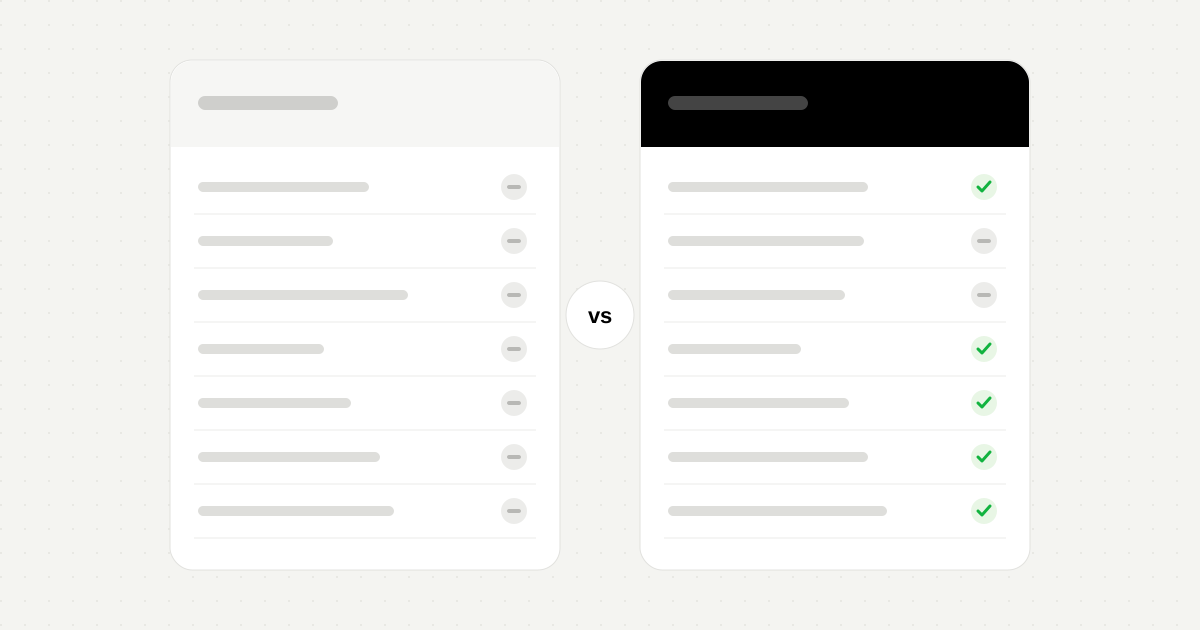
Your seller lives abroad, bought the condo years ago, and will make a modest profit. Then the title company tells them 15% of the full sales price will be held back at closing. On a $600,000 sale, that is $90,000, even if the tax on the gain is a fraction of it.
A withholding certificate, requested on Form 8288-B, asks the IRS to cut that number down to the most the seller can owe. This post covers when it makes sense, who files it, how it fits around closing, and when to skip it. For the basics, start with our FIRPTA guide for real estate agents.
This is not tax or legal advice. The application is prepared by a CPA or tax attorney, not by the agent. Every rule below links to the IRS, the statute or the regulations, checked on October 30, 2026.
What Form 8288-B does
FIRPTA withholding is a percentage of the price, not of the profit. The law caps it: under 26 U.S. Code § 1445(c), withholding does not have to exceed the seller's maximum tax liability, as determined by the IRS, and either the seller or the buyer can ask for that determination.
Form 8288-B applies for a withholding certificate that reduces or eliminates withholding. A certificate issued before the transfer tells the buyer to withhold less or nothing; one issued after it may authorize an early or a normal refund (Form 8288-B instructions, Rev. December 2025).
The form covers three grounds, and only these three:
- Exempt or nonrecognition. The seller is exempt from US tax on the gain, or a nonrecognition rule applies.
- Maximum tax liability is lower. A calculation shows the seller's maximum tax on the sale is less than the amount that would otherwise be withheld. This is the common case for individual sellers.
- Installment sale. The special installment sale rules in Rev. Proc. 2000-35 allow reduced withholding.
How the maximum tax is worked out
For an individual seller, Treas. Reg. § 1.1445-3(c) starts from the contract price minus the property's adjusted basis, multiplied by the top individual long-term capital gain rate. That rate is 20%. Adjustments then apply, for example for treaty benefits and amounts taxed as ordinary income, and any unsatisfied withholding liability is added on top: FIRPTA tax the seller should have withheld when they bought the property and did not.
The application has to prove each number. For the maximum tax ground, the Form 8288-B instructions ask for:
- evidence of the amount realized, such as the signed contract;
- evidence of adjusted basis: closing statements, improvement invoices, depreciation schedules;
- depreciation recapture, the tax rates used, the tentative tax and any treaty reduction;
- a statement signed by the seller under penalties of perjury.
If the property was rented and depreciated, part of the gain can be taxed at up to 25% as unrecaptured section 1250 gain, which shrinks the benefit. Without the original closing statement and improvement receipts, basis is hard to prove.
A worked example: 15% of the price vs. the tax on the gain
Illustrative only. Assumptions: a nonresident individual seller; an investor buyer, so 15% applies; a condo owned over a year for personal use, so no depreciation; no unsatisfied withholding liability, no treaty claim, selling costs ignored. The estimate uses the regulation's 20% rate, is federal only, and is not the seller's actual tax, which is settled on their US return.
| Scenario | Sale price | Adjusted basis | Gain | 15% withholding | Est. max tax (20% of gain) | Cash a certificate could free up |
|---|---|---|---|---|---|---|
| A. Moderate gain | $600,000 | $450,000 | $150,000 | $90,000 | $30,000 | $60,000 |
| B. Small gain | $600,000 | $560,000 | $40,000 | $90,000 | $8,000 | $82,000 |
| C. Sale at a loss | $600,000 | $650,000 | none | $90,000 | $0 | up to $90,000 |
| D. Bought long ago | $600,000 | $175,000 | $425,000 | $90,000 | $85,000 | $5,000 |
In A to C, a certificate can put tens of thousands of dollars back in the seller's hands sooner. In D the gap is $5,000, and the paperwork, CPA fee and wait may cost more than that.
Without a certificate, the seller is not out the money for good. The IRS says the seller must file a US income tax return and attach the stamped Form 8288-A to get credit for the tax withheld. That means waiting for the return for the year of the sale to be filed and processed. The certificate gets the money back sooner; it does not lower the tax.
Who applies, and the ITIN step
The IRS says the buyer, the buyer's agent or the seller may request a withholding certificate. An authorized agent with a power of attorney can sign it; the instructions name Form 2848.
The application needs the US taxpayer identification numbers of all parties to the transaction (IRS). Treas. Reg. § 1.1445-3(a) adds that no certificate is issued without the seller's identifying number. Many foreign sellers do not have one.
A nonresident individual who is eligible for an ITIN can apply for it at the same time: attach the completed Form 8288-B to a completed Form W-7 and send the package to the address in the Form W-7 instructions (Form 8288-B instructions). For an ITIN requested together with Form 8288-B, the IRS says the request is processed within 10 days of receipt (FAQ 13); its general guidance for other ITIN applications is to allow 7 weeks, and 9 to 11 weeks during tax season (January 15 to April 30) or from overseas. A seller who already has an ITIN saves that step. One timing catch: a seller with no other reason for an ITIN cannot request one before there is a legally binding sale contract (FAQ 12), so the W-7 goes in once the contract is signed, not at listing.
When to file, and what happens to the money at closing
Timing. An application without a specific or estimated date of transfer is not substantially complete and will be rejected, and it needs evidence of the amount realized, such as the signed contract (Form 8288-B instructions). So the practical moment is right after the contract is signed, and in any case on or before the closing date.
The IRS will normally act within 90 days of receiving all the information it needs (Form 8288-B instructions; IRC § 1445(c)(3)). In unusually complicated cases it can say by day 45 that it needs longer (Treas. Reg. § 1.1445-3(a)). Unless the contract was signed and the application filed months ahead, the answer usually comes after closing.
At closing, the full amount is still withheld. The Form 8288 instructions say you must withhold even if an application is or has been submitted on the date of transfer. What changes is when the money goes to the IRS: if the application was submitted on or before the date of transfer, the withheld amount does not have to be reported and paid over until the 20th day after the IRS mails the certificate or the notice of denial (Treas. Reg. § 1.1445-1(c)(2); IRS).
The IRS rules put the withholding duty on the buyer but do not say how the money is held meanwhile. Ask the title or escrow company, before closing, how they will hold it and what they release to the seller once the certificate arrives.
The notice. A seller who applies must notify the buyer in writing that the certificate has been applied for, on the day of or before the transfer (IRS). It includes the seller's name, address and identifying number, the property and the application date (§ 1.1445-1(c)(2)).
Applying after closing. If nothing was filed by closing, the normal rule applies: Form 8288 and payment are due by the 20th day after the transfer. A certificate issued later may authorize an early refund (Form 8288-B instructions), which § 1.1445-3(g) says is paid without interest.
When it is not worth applying
- The gap is small. Scenario D above: $5,000 freed up after months of paperwork. There is also a penalty risk. If the application's principal purpose was to delay payment, the buyer owes interest and penalties from the 21st day after the transfer (Form 8288 instructions). The regulations presume that purpose when the buyer applies based on maximum tax and the final figure is 90% or more of the amount otherwise required to be withheld, though the presumption can be rebutted (§ 1.1445-1(c)(2)(ii)).
- A lower rate already applies. If the buyer will live in the home and the price is $300,000 or less, there is no withholding; up to $1,000,000, it is 10% (IRS; § 1445(c)(4)). Run the numbers on the reduced amount before deciding.
- The records are missing. The application stands on evidence of basis.
- The property was a depreciated rental. Recapture can push the maximum tax closer to the withholding.
- The timing does not help. With an ITIN to obtain and up to 90 days for the IRS, the wait may end close to when the seller files the return anyway. Their CPA should compare the two dates.
What the agent should do, and when
- At the listing appointment: if the seller is likely a foreign person, ask what they paid, when, and whether they rented it out. Do not estimate their tax.
- Before the contract: introduce a CPA who handles FIRPTA. Ask the seller to gather the purchase closing statement and improvement receipts, and check whether they already have an ITIN (a new one can only be requested once the contract is signed).
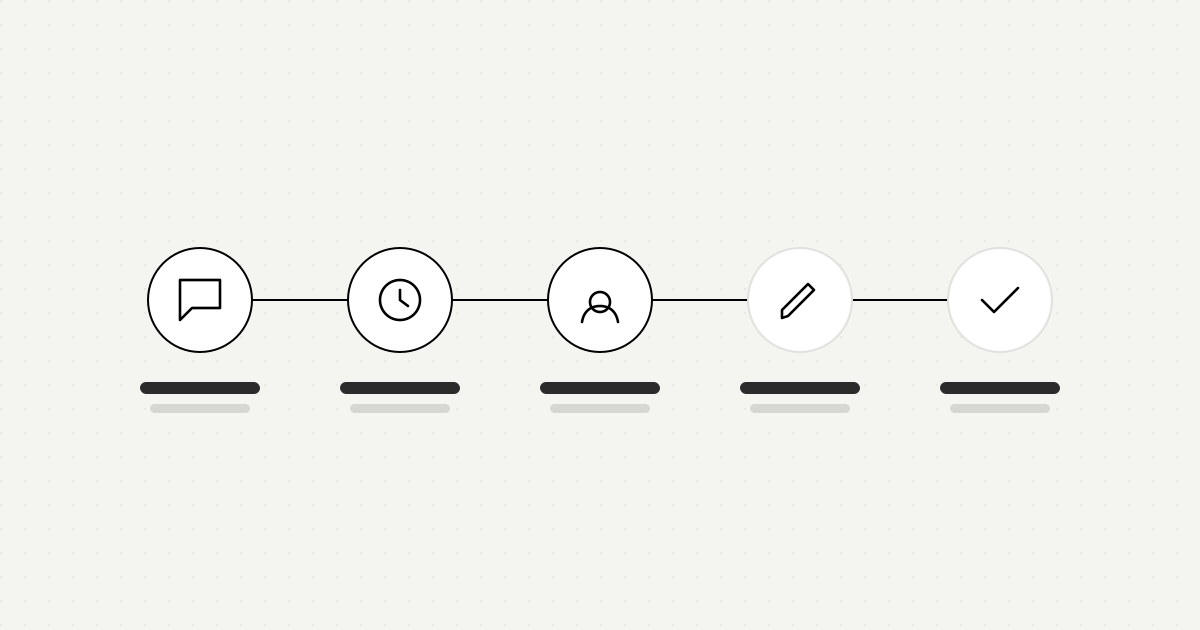
- When the contract is signed: send it to the CPA the same day. Tell the title or escrow company an application is planned and ask how they hold withheld funds.
- Before closing: confirm the application was submitted and the buyer got the written notice.
- After closing: the release depends on the IRS answer, not on you. Keep the seller informed and point them to the CPA for the US return.
These questions usually arrive on WhatsApp, often in Spanish, long before anyone opens a title file:
- Me dicen que van a retener 90 mil dólares al cerrar. Pero mi ganancia es poca. ¿Por qué tanto?They tell me they'll hold back $90,000 at closing. But my profit is small. Why so much?
- Es la retención de FIRPTA: el 15% del precio de venta, no de la ganancia. No es el impuesto final, es un anticipo.It's FIRPTA withholding: 15% of the sale price, not of the profit. It's not the final tax, it's a prepayment.
- Hay una opción: pedirle al IRS un certificado (formulario 8288-B) para reducir la retención a lo máximo que podrías deber por la ganancia. El IRS normalmente responde dentro de 90 días, así que conviene presentarlo ya, antes del cierre.There's an option: ask the IRS for a certificate (Form 8288-B) to reduce the withholding to the most you could owe on the gain. The IRS normally answers within 90 days, so it's best to file it now, before closing.
- ¿Y quién lo hace? No tengo número de impuestos en EE. UU.And who does it? I don't have a US tax number.
- Lo prepara un contador de impuestos. Si no tienes ITIN, se pide junto con el formulario. Necesitará los documentos del cierre de tu compra y las facturas de mejoras. ¿Te paso el contacto del contador con el que trabajamos?A tax accountant prepares it. If you don't have an ITIN, you request it together with the form. They'll need your purchase closing papers and improvement invoices. Shall I send you the contact of the accountant we work with?
The agent explains the mechanism, starts the clock and hands the numbers to the CPA, with no promise about how much comes back.
Where Replint fits
Replint is an AI assistant that answers WhatsApp leads in seconds, in English or Spanish. In its smart auto mode, legal and tax questions like "why will they hold back 15%?" are not answered automatically: they become a draft for you with an alert, so you or the seller's CPA can answer. It is in early access for US agents and teams.